The Linux pillar
Linux laptops that actually work in 2026
Mainstream sites tell you a laptop is "Linux-friendly" and stop there. We keep the boring details that decide whether you'll be happy: the WiFi chip, the fingerprint reader, suspend and resume, the webcam, per distro. Where we've run the machine ourselves, we say so by name. Where we haven't, we say that too.
This page is hand-curated and grows as models are verified. The per-model Linux grade and hardware table live on each laptop's page. Want the whole dataset in one filterable, sortable grid? Open the Linux compatibility matrix: every model, per distro, with the Linux Readiness Score.
Linux-ready right now
- System76 Galago Pro (galp7) out-of-box A serviceable 14-inch with a 45 W i7-13700H, 144 Hz panel, SO-DIMM RAM and a flawless Linux story out of System76. The 13th-gen H chip runs hot and the battery is 6 hours real, so it is a desk machine that travels, not a road warrior.
- System76 Lemur Pro (lemp14) out-of-box 1.0 kg with slotted RAM to 56 GB and a flawless Linux story, but the 60 Hz FHD+ panel and 15 W chip make the 1499 dollar base hard to justify on hardware alone. Ships from the US, so EU buyers add import VAT.
- System76 Pangolin (pang14) out-of-box A 1.73 kg all-AMD Linux laptop with flawless Pop!_OS support and slotted RAM to 96 GB, but the 57.75 Wh battery is a genuine flaw: about 4 to 5 hours on light use. No fingerprint reader by design. Ships from the US, so EU buyers add import VAT.
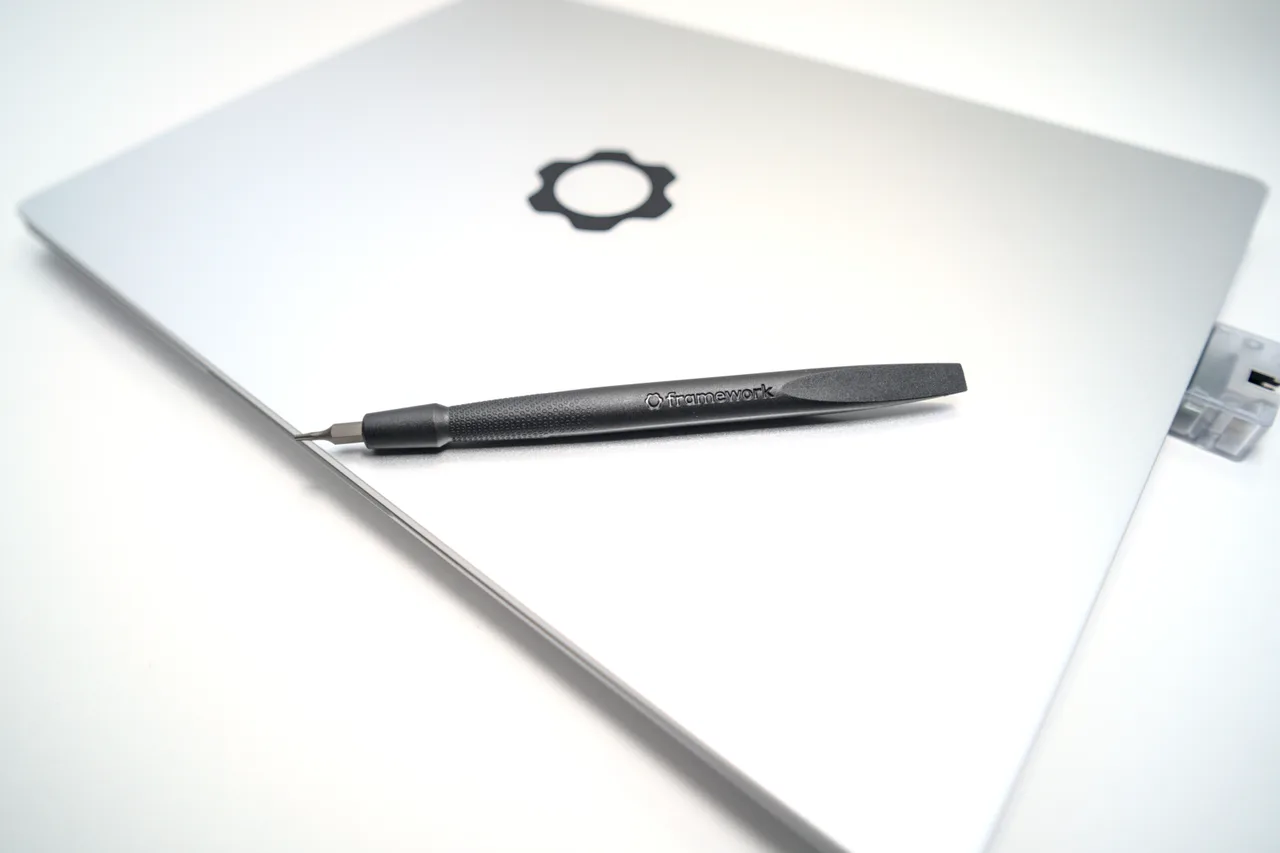
- Framework Laptop 13 (AMD Ryzen 7040) out-of-box The most repairable Linux laptop you can buy, and it runs Ubuntu LTS with almost no fuss.
- Framework Laptop 13 (AMD Ryzen AI 300) out-of-box Phoronix-validated Zen 5 performance and fully modular slotted RAM, but the 61 Wh battery drains 5 to 10 percent overnight on Linux suspend.
- Lenovo ThinkPad T14 Gen 5 (AMD) out-of-box The lowest-friction mainstream Linux pick here: the AMD webcam avoids the Intel IPU6 trap, leaving only a Wi-Fi iwd line and an s2idle kernel param on some units.
- Lenovo ThinkPad T14s Gen 6 (AMD Ryzen AI 7 PRO 350) out-of-box The AMD T14s Gen 6 is the low-friction business Linux pick: UVC webcam dodges the Intel IPU6 mess, leaving a speaker EQ and an s2idle param on some units. Skip the Intel SKU if Linux matters.
- Lenovo ThinkPad T490 (Whiskey Lake) out-of-box A 2019 business workhorse that refuses to die: clean Intel Linux support, real S3 sleep, the old ThinkPad keyboard, around 230 dollars refurbished. The 8th-gen CPU is slow by 2026 and the FHD panel is dim, so buy it for typing and terminals, not video work.
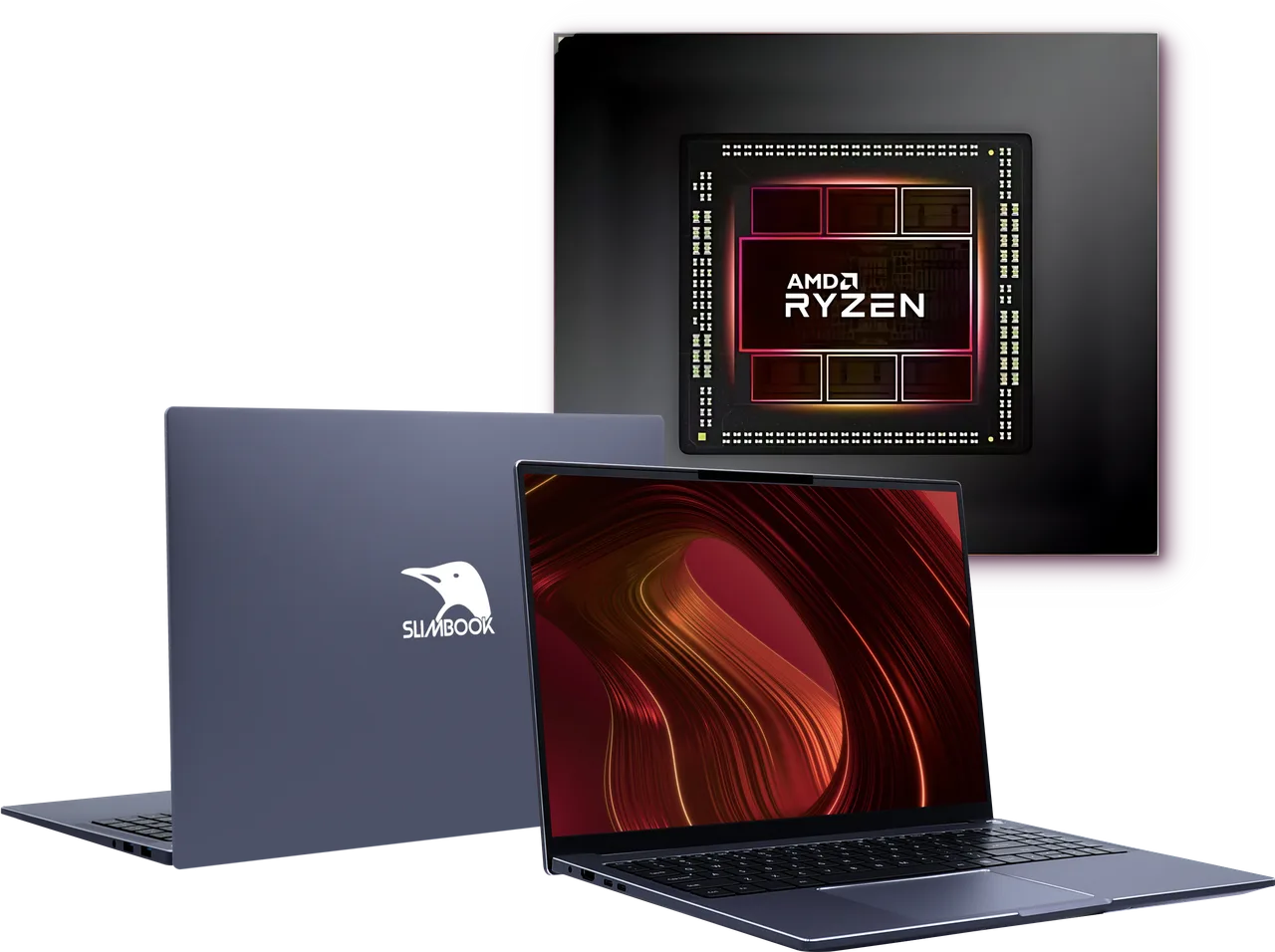
- Slimbook Evo 14 (Ryzen AI 9 365) out-of-box A Linux-native 14-inch with a Strix Point Ryzen AI 9 365, a 3K 120 Hz panel and 80 Wh battery from about 1077 euro, no Windows tax and EU-shipped. RAM is soldered and it needs kernel 6.11+, which the shipped image already covers.
- Slimbook Executive 14 (Core Ultra 7 255H) out-of-box A 1.2 kg all-Intel Linux laptop from a Spanish vendor with a 99 Wh battery for about 8 hours and slotted RAM to 128 GB. Linux is out of the box bar one documented quirk: it wakes from suspend if left plugged in. Priced in euro, EU-friendly.
- Slimbook Executive 16 (Core Ultra 9 285H) out-of-box The 16-inch Executive: Arrow Lake H, 64 GB slotted RAM, a 3K 120 Hz panel and a 99 Wh battery for about 8 hours, EU-direct in euro. Linux is out of the box bar the same plugged-in suspend wake as the 14. A strong all-Intel Linux workstation if you do not need a dGPU.
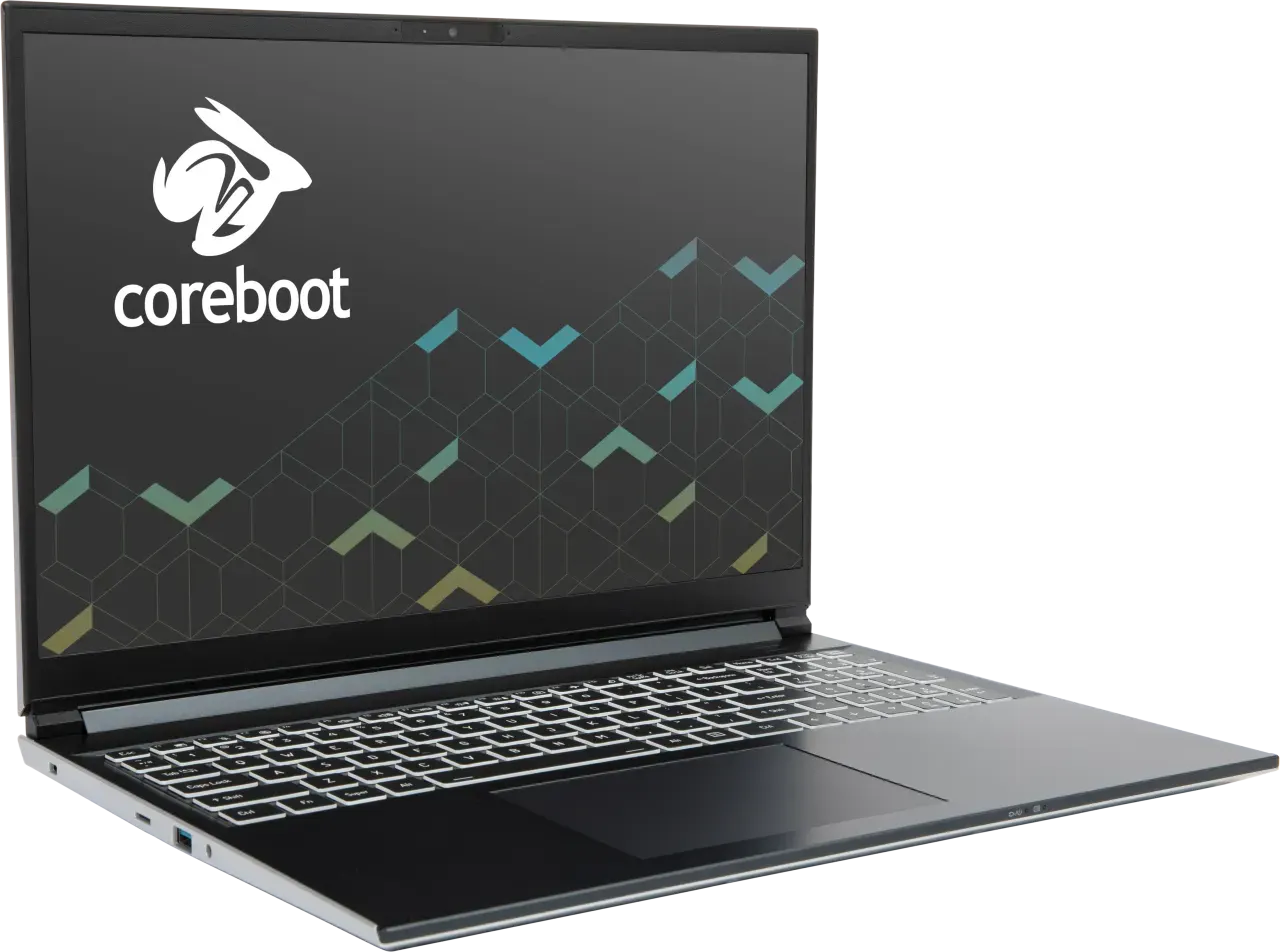
- Star Labs StarBook Mk VII out-of-box Coreboot firmware and a 625-nit 4K matte panel, but that 4K screen is 60 Hz only and the cheaper N200 tier is too weak for development. UK vendor, EU buyers should check post-Brexit duty.
- Star Labs StarFighter 16 (Intel Ultra 9 285H) out-of-box A coreboot, Linux-only 16-inch with a 4K 120 Hz matte panel, up to 64 GB and an Arrow Lake Ultra 9, from 2843 dollars. Soldered RAM and a high price are the trade for open firmware and a Windows-free machine. Newer model, so review evidence is still thin.
- Star Labs StarLite Mk V out-of-box A 0.7 kg Linux-first 2-in-1 with coreboot firmware and out-of-box Ubuntu or Fedora, from about 499 euro. The catch is the N200: light browsing and notes only, 8 GB soldered. As a tiny travel Linux tablet it works; do not ask it to compile anything.
- System76 Adder WS (addw4) out-of-box A Linux-native CUDA and gaming workstation with a vendor-tuned GPU switch and the NVIDIA driver done for you. The i9 plus 4070 means about 3 hours off the wall, so treat it as a desktop replacement. For a turnkey Linux CUDA box that is the trade.
- System76 Bonobo WS (bonw15) out-of-box A 3.3 kg desktop-replacement with an i9-14900HX, mobile RTX 4090 and SO-DIMM RAM to 192 GB, with CUDA preconfigured by System76. The 3-hour battery and 350-nit panel are not the point. Buy it as a portable CUDA box, nothing else.
- System76 Darter Pro (darp11) out-of-box A serviceable 16-inch Meteor Lake from System76 with a 165 Hz QHD+ panel, slotted RAM, a replaceable battery and a flawless Linux story out of the box. Build feel and an 8-hour battery are the compromises. For a no-surprises Linux daily, it earns its place.
- Tuxedo Aura 15 Gen3 (AMD Ryzen 7 7730U) out-of-box The cheap EU-direct Linux pick: Zen 3 plus Vega is fully mainline, the 91 Wh battery does about 9 hours, and it ships from Germany priced in euro. The 250-nit FHD panel is the corner cut. For a no-drama Linux daily under 900 euro, buy it.
- Tuxedo InfinityBook Pro 14 Gen10 (AMD) out-of-box Zen 5 HX 370 with slotted RAM to 128 GB and a 3K 120 Hz panel from about 1427 euro, let down by Wi-Fi 6 only and fans that get loud at full load.
- Tuxedo Pulse 15 Gen3 (AMD Ryzen 7 7840HS) out-of-box The mid-range EU-direct Linux pick: an all-AMD Phoenix 15-inch with a 165 Hz QHD panel, slotted RAM and a vendor-tuned control center, from about 1099 euro out of Germany. No drama on Linux. The plastic build and 350-nit panel are the corners cut at the price.
- Tuxedo Stellaris 16 Gen6 (Intel) out-of-box A Linux-native gaming and CUDA laptop with up to a mobile RTX 4090, a 240 Hz panel and a vendor-tuned GPU mux, from about 1979 euro in the EU. The 4-hour battery is the cost of the i9 and 4090. For a Linux desktop-replacement that is the deal.
- Dell XPS 13 9310 (Developer Edition) out-of-box The XPS that Dell actually sold with Ubuntu, around 540 dollars used: a clean Tiger Lake Linux machine with a bright 16:10 screen. Buy the FHD+ panel, skip the 4K. s2idle-only standby drain is the price of admission, like every XPS of this era.
- Framework Laptop 12 (13th Gen Intel, Core i5-1334U) out-of-box A repairable, modular 2-in-1 on settled Raptor Lake-U that runs Ubuntu LTS with no real fuss. The i5-1334U is slow for anything past browser and notes, but at 799 dollars it is the cheapest genuinely Linux-clean Framework. Buy it for repairability and a student load, not speed.
- Framework Laptop 13 (Intel Core Ultra Series 1) out-of-box The fully modular 13-inch with the settled Meteor Lake platform: Framework-supported Linux, slotted RAM, swappable ports, a replaceable battery. Keep the BIOS current for standby drain. If you want repairable hardware that just runs Linux, this is the safe Framework pick over the AMD one.
- Honor MagicBook X16 (2024, Core i5-12450H) out-of-box Cheap, big-screen, and Linux-trivial on plain Alder Lake, but the 42Wh battery gives about 4 real hours and 8GB soldered RAM caps what you can do; fine as a desk machine, not a travel one.
- Lenovo IdeaPad Slim 5 14 (Gen 9, AMD) out-of-box A quiet, plain 300-nit machine, but the Ryzen 7 8845HS and Radeon 780M combo is about the most painless Linux box under 650 dollars.
- Lenovo IdeaPad Slim 5i 16 (Intel, Gen 10) out-of-box A big 16-inch panel and a boring, well-supported Intel platform: Linux just works here, which is the whole point at roughly 700 dollars (approx).
- Lenovo ThinkPad E14 Gen 6 (AMD) minor-tweaks A 719 dollar ThinkPad with a great keyboard, a SO-DIMM slot, and an all-AMD Rembrandt chip that just works on Linux. The panel is a dim 300-nit 1200p and the CPU is a generation old. For a cheap, repairable Linux box that is the trade.
- Lenovo ThinkPad L14 Gen 5 (AMD) minor-tweaks The cheaper, more repairable T14 with two SO-DIMM slots and an all-AMD chip Linux likes. The Qualcomm Wi-Fi can be cranky and the 7535U is a low-power part, so this is a serviceable office Linux box, not a fast one.
- Lenovo ThinkPad T14 Gen 5 (Intel) out-of-box The Intel Gen 5 keeps SO-DIMM slots, so RAM goes to 64 GB, and ArchWiki rates it out-of-box on kernel 6.12. Best ThinkPad keyboard, plain 1200p panel. The one open question is the webcam, which varies by SKU; check the part number first.
- Lenovo ThinkPad X1 Carbon Gen 13 Aura Edition minor-tweaks 982 grams, the best keyboard here and a strong Linux story on a current kernel, with two catches: the IPU7 webcam needs kernel 6.13+ and a firmware bug can pin the CPU at 400 MHz.
- Lenovo ThinkPad X1 Carbon Gen 9 out-of-box The lightest serious Linux laptop you can buy used for around 620 dollars: 1.13 kg, 16:10 panel, working fingerprint, Tiger Lake that handles dev work but not heavy compiles. s2idle-only standby is the one tax. Our pick for a cheap travel ThinkPad.
- ASUS ProArt P16 (H7606, 2024) minor-tweaks A 1.81 kg creator machine with a 4K 120 Hz OLED touch panel, 64 GB, and an RTX 4070, well-supported on Linux via asus-linux.org. RAM is soldered and the audio quirk needs a fix, but it gets about 6 hours unplugged.
- ASUS ROG Zephyrus G14 (GA403, 2024) minor-tweaks A 1.48 kg OLED ultrabook that games and the best-supported gaming laptop on Linux, but the 90W RTX 4070 throttles to 4060 levels and battery is only about 6 hours.
- ASUS ROG Zephyrus G16 (GU605, 2024) minor-tweaks A 1.91 kg RTX 4090 with a 2.5K 240 Hz OLED and the best Linux tooling story of any gaming laptop here, but the 4090 runs at only 115W and RAM is soldered. About 5 hours on light use.
- ASUS Zenbook S 16 OLED (UM5606, 2024) minor-tweaks A genuinely good 3K 120 Hz OLED with Strix Point and a 78 Wh battery doing about 10 real hours. Linux works on kernel 6.11 with the asus-linux stack, but the Cirrus speaker setup and s2idle are the usual ASUS tax. For the panel and an all-AMD GPU, worth it; budget an evening of setup.
- Chuwi GemiBook Plus 15.6 (N100, 2024) minor-tweaks An N100 box for roughly 330 dollars that runs Linux with one s2idle suspend tweak on its budget firmware. The build, screen and 4-hour battery are exactly what 330 dollars buys. Fine as a cheap second machine, nothing more.
- Dell Latitude 5450 (2024) minor-tweaks A boring corporate 14-inch that does the boring thing well: Meteor Lake-U, slotted RAM, about 10 real hours, Linux fine after a sof-firmware and fingerprint nudge. The 250-nit panel is dim. Buy it for the keyboard and the battery, not the screen.
- Dell Latitude 7450 (Core Ultra 7 165H) minor-tweaks An Ubuntu-certified 1.06 kg fleet ultralight with 12 hours real battery and a solid keyboard. Fingerprint is dead on Linux, RAM is soldered, and the panel is a plain 1200p. Fair for a managed Linux estate, dull for anyone else.
- HP EliteBook 840 G11 minor-tweaks Ubuntu-certified, SO-DIMM slots to 64 GB, 15 hours real battery, and a webcam that skips the IPU6 mess. The fingerprint reader is dead on Linux and the panel is a plain 1200p. For a fleet Linux box that is a fair trade.
- HP OmniBook Ultra 14 (Ryzen AI 9 HX 375) minor-tweaks One of the fastest 14-inch chips you can buy, a Zen 5 HX 375 with a 55-TOPS NPU, in a dull but solid HP shell from 1350 dollars. Needs kernel 6.11+, has a fiddly speaker amp on Linux, and the RAM is soldered.
- HP Spectre x360 14 (2024) minor-tweaks A well-built convertible with a 120 Hz OLED and a UVC webcam that avoids the IPU6 trap. On Linux you tweak the speaker EQ and accept s0ix drain. A reasonable pick if you actually use the 2-in-1 hinge.
- Lenovo ThinkBook 14 G7 IML (Core Ultra 5 125H) out-of-box The value Linux pick in Lenovo's lineup: Meteor Lake on a UVC webcam means it installs clean where the pricier XPS and ThinkPad Intel machines fight IPU6. Plain 300-nit panel and partly soldered RAM are the cuts. Under 850 dollars, it is the no-drama option.
- Lenovo ThinkPad P53 (Mobile Workstation) minor-tweaks A 2019 mobile workstation people still buy used for the Quadro RTX and CUDA, around 650 dollars. Heavy, four hours on battery, FHD panel that is fine not great. The hybrid-graphics suspend setup is the one real Linux chore. Worth it only if you actually need the dGPU.
- Lenovo ThinkPad X13 Gen 5 (Intel) minor-tweaks A 1.09 kg 13-inch ThinkPad with the best keyboard here and 11-hour battery. The 155U avoids the IPU6 webcam trap, but the fingerprint reader is dead on Linux and RAM is soldered. A good small Linux travel box if you order the right SKU.
- Lenovo Yoga Slim 7i Aura Edition (2024) minor-tweaks Lunar Lake means long battery and a quiet chassis, but it also means you need kernel 6.11 before Linux behaves. On a current Fedora it is a clean ultrabook; on an old LTS it is a headache.
- Acer Nitro V 15 (ANV15-51) minor-tweaks The cheap way into RTX 4050 gaming, often under 900 dollars with slotted RAM you can double. The trade-off is honest: a dull 250-nit panel and loud fans. For 1080p gaming on a budget it does the job. For anything color-critical, look elsewhere.
- Acer Aspire 14 AI (A14-52M, 2025) minor-tweaks Around 750 dollars (approx, often discounted) for 14-hour real battery, but the screen is a dim 300-nit panel and you must start from a recent kernel.
- Acer Swift Go 14 (SFG14-72, 2024) minor-tweaks A solid Meteor Lake all-rounder around 850 dollars (approx, configs vary), but plan on a UEFI password dance before some SKUs will even boot a Linux installer.
- Acer Swift 14 AI (SF14-51, Core Ultra 7 258V) minor-tweaks A 2.8K OLED Lunar Lake machine with a 13-hour battery for around 1199 dollars, undercut on Linux by the IPU6 webcam that does not work in normal apps. Good value if you accept a USB cam and run kernel 6.12+.
- ASUS ExpertBook B9 (B9403, Core Ultra 7 155H) minor-tweaks Sub-1 kg with a 75 Wh battery for about 12 real hours and a UVC webcam that avoids the Intel IPU6 trap. Audio needs a Cirrus amp profile and you want kernel 6.8+. A genuinely portable Linux road machine if you tune the speakers.
- ASUS Vivobook S 15 OLED (S5506) minor-tweaks A 3K 120 Hz OLED 15-incher that street-prices well below 1099 dollars on sale, which is the whole pitch. Build is plasticky and the Meteor Lake CPU is unremarkable. On Linux the OLED is the win and the IPU6 webcam is the loss. Good value if the screen is what you came for.
- Dell Inspiron 14 Plus 7440 minor-tweaks A 999 dollar Meteor Lake all-rounder with a 2.5K 16:10 panel and a genuine 11-hour battery, which is rare at the price. On Windows it is a quiet recommend. On Linux the IPU6 webcam does not work without effort, so factor that in if you need video calls.
- Dell Pro 14 Premium (PA14250, Core Ultra 7 268V) minor-tweaks A 1.17 kg Lunar Lake business 14 with a real 12-hour battery and tank build, but the MIPI webcam is the usual Intel mess on Linux and you live without it or carry a USB cam. Buy it for battery and chassis, not for a clean Linux camera.
- Dell XPS 15 9510 minor-tweaks A 2021 15-inch you find used around 720 dollars: bright FHD+ panel, slotted RAM, a modest RTX 3050 Ti for light creative work. Linux takes setup since it never shipped as a Developer Edition, and s2idle standby drain is the usual XPS tax. Good value if you want a repairable used 15-incher.
- Gigabyte AERO 16 OLED BSF minor-tweaks A 1.9 kg 16-inch with a 4K 60 Hz OLED and a 99 Wh battery for about 5 hours, the cheapest RTX 4070 OLED creator option here. The 60 Hz panel and 13th-gen i7 show its age, and the base 16 GB needs upgrading.
- HP Pavilion Plus 14 (14-ew1000, Intel, 2024) minor-tweaks A 2.8K 120Hz OLED with 32GB soldered for about 900 dollars (approx) is hard to beat on value; just expect about 9 hours of battery, not the 13 on the box.
- HP ProBook 460 G11 (2024) minor-tweaks A plain 16-inch business box for around 1000 dollars: slotted RAM, 9-hour battery, Linux fine after the usual HP sof-firmware and fingerprint dance. The screen is a dim 300-nit 1200p. A sensible fleet machine, not an exciting one.
- HP Victus 16 (2024) minor-tweaks An RTX 4060 gaming laptop from around 1099 dollars with slotted RAM and a 144 Hz panel. The screen is only 300 nits and FHD, the fans are loud under load. For Linux gaming it works once you accept the nvidia hybrid-graphics setup. Good frames per dollar, mediocre everything else.
- HP ZBook Firefly 14 G11 (Core Ultra 7 165H) minor-tweaks A 14-inch mobile workstation with an RTX A500 and slotted RAM, but the Quadro-class NVIDIA driver plus hybrid Optimus and a Meteor Lake kernel floor put it at minor-tweaks. Buy it for ISV-certified workstation duty, not for a clean Linux out-of-box story; an all-AMD T14 is less hassle.
- Lenovo Legion Pro 7i Gen 9 (16IRX9, 2024) minor-tweaks A 2.61 kg RTX 4090 running the full 175W with slotted RAM and a 99.99 Wh battery, the strongest performance-per-dollar of the 4090 machines here. Linux is workable with the legion-laptop module, suspend needs tuning, and 4 hours is the realistic unplugged figure.
- Lenovo Legion Slim 5 16 (AMD, Gen 9, 2024) minor-tweaks The sensible mid-range gaming 16-inch: AMD 8845HS plus RTX 4060, a 165 Hz QHD+ panel, slotted RAM and the best keyboard in the gaming class. Linux works with the NVIDIA driver and the legion-laptop module; AMD iGPU keeps desktop battery near 6 hours. The value pick of the NVIDIA machines here.
- Lenovo LOQ 15 (15IRH8) minor-tweaks Often the cheapest RTX 4060 laptop worth buying, around 999 dollars without Windows and with slotted RAM. Plastic shell, no Thunderbolt, low battery. None of that matters much if you want the most gaming frames per dollar. Our budget RTX 4060 pick.
- Lenovo ThinkPad P1 Gen 7 (Ultra 9 185H, RTX 4070) minor-tweaks A CUDA-capable 16-inch workstation with SO-DIMM RAM to 96 GB and an Ubuntu-certified base, but the NVIDIA Optimus suspend story is still rough and it starts at 3369 dollars. Buy it for the dGPU and the RAM ceiling, not for a tidy sleep cycle.
- Lenovo ThinkPad X1 Yoga Gen 9 (2024) minor-tweaks A premium convertible with the best keyboard in the class and a clean Meteor Lake base, but on Linux the convertible features are the tax: auto-rotate and pen want manual setup, and audio needs sof-firmware. Buy it for the keyboard and build, treat tablet mode as a bonus, not a reason.
- LG Gram 16 (16Z90S) minor-tweaks 1.19 kg for a 16-inch screen and around 13 hours of real battery, from about 1399 dollars. Nothing else this size is this light. The price is the flex chassis and a mediocre keyboard. Buy it if you carry a big screen all day and weight is the deciding factor.
- MSI Prestige 16 AI Evo B1M minor-tweaks A 1.5 kg 16-inch with a 99 Wh battery that actually delivers around 11 hours, from about 1049 dollars. Solid Meteor Lake productivity machine on Windows. On Linux the IPU6 webcam is the usual dealbreaker for video calls, so know that before you buy.
- MSI Stealth 16 AI Studio A1V (2024) minor-tweaks A 1.99 kg creator-leaning Stealth with a 4K 120 Hz OLED, a big 99.9 Wh battery, and about 6 hours unplugged. Linux runs with NVIDIA caveats, but the absence of any Linux fan tooling means the chassis runs warm under load.
- MSI Summit 13 AI+ Evo (A2VMT, Core Ultra 7 258V) minor-tweaks A 1.0 kg Lunar Lake convertible with a 2.8K OLED and a 12-hour battery, dragged to minor-tweaks by the same IPU6 webcam every recent Intel thin-and-light has. Good travel machine on Linux if you accept a USB cam and run kernel 6.12+.
- Pine64 Pinebook Pro (RK3399) minor-tweaks A 220 dollar Arm hacking laptop with privacy switches and mainline Linux on the RK3399, but it is slow, has 4 GB soldered RAM, and suspend has never been solid. Buy it as a tinkering project, not a working machine.
- Razer Blade 16 (2024) minor-tweaks A flagship i9 and RTX 4080 in a 240Hz OLED chassis. Linux runs, but you carry the NVIDIA proprietary driver and a fiddly s2idle suspend with the dGPU on, and the 95Wh battery is gone in about 4 hours under any real load.
- Samsung Galaxy Book4 Pro 14 minor-tweaks A 1.23 kg 14-inch with a genuinely excellent 3K 120 Hz AMOLED, from around 1449 dollars. The screen is the reason to buy it. Pricey for Meteor Lake performance, and on Linux the IPU6 webcam plus missing Samsung software make it a Windows machine first.
- Acer Predator Helios Neo 16 (PHN16-72, 2024) minor-tweaks A value RTX 4060 gaming 16-inch with a 165 Hz QHD+ panel. Linux runs with the NVIDIA driver, but there is no Linux fan or RGB control and the 90 Wh battery is 4 hours at best. Fine for gaming on Proton; not a Linux productivity machine.
- Lenovo Yoga Pro 9i 16 (Gen 9, 2024) minor-tweaks A creator 16-inch with a superb 3.2K 165 Hz mini-LED panel and an RTX 4060. On Linux you carry the NVIDIA driver, the Cirrus speakers need sof-firmware to not sound thin, and mini-LED HDR is rough. Buy it for the screen and CPU; expect a setup session for audio.
- MSI Katana 15 (B13V, 2024) minor-tweaks The cheap RTX 4060 laptop, and it is cheap everywhere: 250-nit FHD panel, plastic chassis, 53 Wh battery good for about 3 hours. Linux runs with the NVIDIA driver but no MSI fan or battery control. Buy it as a budget desk gaming box, nothing else.
By distro
- Best laptops for Arch Linux in 2026 Arch gives you the newest kernel and zero hand-holding. The laptops with strong ArchWiki coverage, the NVIDIA reality, and what to skip.
- Best laptops for Debian 12 in 2026 Debian stable runs an old kernel by design. Which laptops survive that, when to use backports, and the hardware to skip on Bookworm.
- Best laptops for Fedora in 2026 Fedora ships a recent kernel, so new hardware fares better here than on LTS. The models that work, the IPU6/IPU7 webcam catch, and what to skip.
- Best laptops for Linux Mint in 2026 Linux Mint is built on Ubuntu, so its hardware behaviour is inferred from Ubuntu LTS, not separately tested. What that means honestly, the models that fit, and what to skip.
- Best laptops for NixOS in 2026 NixOS rebuilds the whole machine declaratively. The laptops with good hardware modules, the firmware caveat, and what to skip.
- Best laptops for openSUSE in 2026 openSUSE is two distros: rolling Tumbleweed near Arch's kernel currency, and stable Leap near LTS. Which laptops work on each, the NVIDIA and Secure Boot notes, and what to skip.
- Best laptops for Pop!_OS in 2026 Pop!_OS is built by System76, so their own hardware is the obvious pick. The models that work, the COSMIC question, and what to skip.
- Best laptops for Ubuntu 24.04 LTS in 2026 Which laptops actually run Ubuntu 24.04 LTS without fighting the kernel: AMD over Intel IPU7, real model picks, and the ones to skip.
By Linux-first vendor
- Framework for Linux: repairable, but the suspend drain is real Framework sells the most repairable Linux laptop you can buy. It runs Ubuntu LTS with almost no fuss. The honest catch: the AMD 13 drains 5 to 10 percent overnight on Linux s2idle.
- MALIBAL for Linux: niche, opinionated, and not tracked here yet MALIBAL is a small US Linux-laptop vendor with a strong privacy and Coreboot stance. An honest editorial profile: no affiliate relationship, no hands-on test, what we can and cannot say.
- PINE64 for Linux: an ARM hobby project, not a daily driver PINE64 sells the Pinebook Pro, an Arm hacking laptop with privacy switches and mainline Linux. It is cheap and open, and it is slow with weak suspend. Buy it as a project, not a work machine.
- Slimbook for Linux: KDE's hardware partner, with one nasty bug Slimbook is the Spanish EU vendor behind the KDE Slimbook. Good Linux support and in-EU shipping, but the Executive has a documented plugged-in suspend bug worth knowing before you buy.
- Star Labs for Linux: coreboot at a fair price, with a Brexit catch Star Labs ships coreboot firmware and your choice of distro preinstalled. Strong Linux story, but it is a UK vendor so EU buyers pay post-Brexit duty, and no fingerprint by design.
- System76 for Linux: the firmware is the point What System76 actually ships, why the Open Firmware matters, and the catches the store page skips: US shipping, import VAT, the Pangolin battery, and no fingerprint reader.
- Tuxedo Computers for Linux: the EU pick, with a fan caveat Tuxedo ships from inside the EU with VAT in the price, runs TUXEDO OS or Ubuntu, and has its own control software. The catches: WiFi 6 not 7, loud fans at load, and no fingerprint by design.