Lenovo · 2019 · end of life
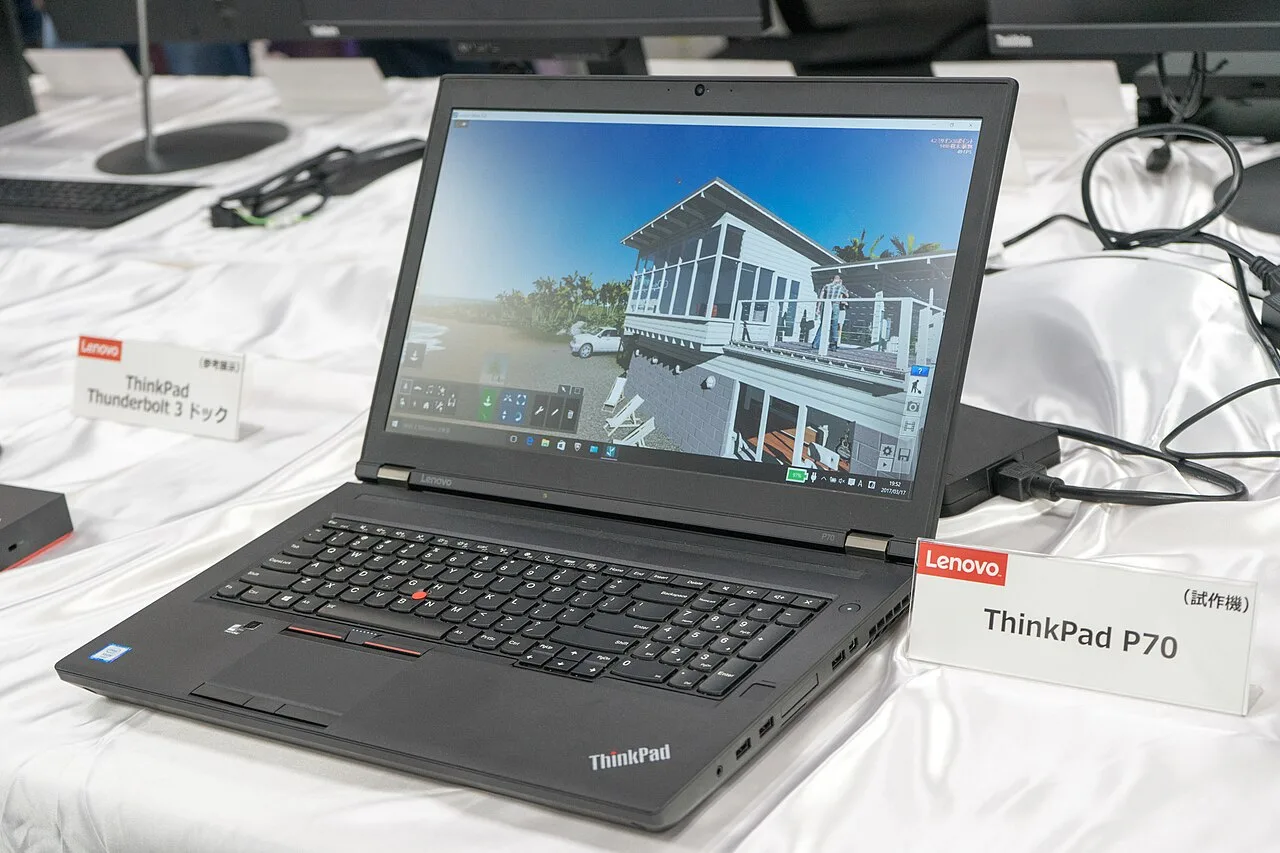
Lenovo ThinkPad P53
Mobile Workstation
A 2019 mobile workstation people still buy used for the Quadro RTX and CUDA, around 650 dollars.
from $650 last seen 2026-05-18
Find remaining Lenovo stockAs an Amazon Associate (US, NL, DE, UK programs), qualifying purchases via these affiliate links may earn us a commission at no extra cost to you. Other markets not yet enrolled. How we make money. Verified 2026-05-18.
- Best for programming AI and data work creative work
- Linux: minor fixes
Scorecard
Mean of six category scores, 0 to 10. Compiled from public sources. How we rate.
Strongest on keyboard and build, weakest on battery.
- Battery 4/10
- Display 5/10
- Build 7/10
- Keyboard 8/10
- Speed 7/10
- Value 7/10
Worth knowing
Stands out
- RAM is user-upgradeable
Watch for
- Discontinued, sold from remaining stock
- NVIDIA needs the proprietary driver on Linux
- Heavy at 2.5 kg for daily carry
Linux
Works · Best on ubuntu LTS. Confidence: medium · How we score
Linux compatibility, per distro
- Ubuntu LTS Minor setup
- Wi-Fi : works
- Bluetooth : works
- Fingerprint : needs tweak
- Webcam : works
- Audio : works
- Suspend : needs tweak
Coffee Lake plus Quadro RTX, so it is a hybrid-graphics machine: install the proprietary nvidia driver and decide on PRIME profiles, or run Intel-only for battery. Suspend on the dGPU needs nvidia power-management set up or it hangs on resume.
ArchWiki: ThinkPad P53 →Show full report
The Quadro is the reason CUDA workloads still buy these used. 32 GB and up via two slots, expandable to 128 GB.
- Fedora Minor setup
- Wi-Fi : works
- Bluetooth : works
- Fingerprint : needs tweak
- Webcam : works
- Audio : works
- Suspend : needs tweak
RPM Fusion nvidia build plus the akmod handles the Quadro. Same hybrid-graphics suspend caveat.
Show full report
Treat this as a verified-from-community-reports machine, we have not bench-tested a current build.
See the broader picture in the Linux compatibility hub, the full compatibility matrix, and the buying guides.
Specs
| CPU | Intel Core i7-9750H / Xeon E-2276M |
|---|---|
| GPU | NVIDIA Quadro RTX 3000 (6 GB) |
| RAM | 32 GB (upgradeable) |
| Storage | 512 GB |
| Screen | 15.6" 1920x1080 @ 60Hz, 300 nitsfine indoors, dim in direct sun |
| Weight | 2.5 kgheavy for daily carry |
| Battery | 90 Wh, around 4 h real-world |
Common questions
- Does the Lenovo ThinkPad P53 (Mobile Workstation) work with Linux?
- Mostly: it runs after one or two known fixes (checked on Ubuntu LTS, Fedora). Coffee Lake plus Quadro RTX, so it is a hybrid-graphics machine: install the proprietary nvidia driver and decide on PRIME profiles, or run Intel-only for battery.
- What does the Lenovo ThinkPad P53 (Mobile Workstation) cost?
- Last seen around 650 USD (2026-05-18). It is discontinued, so prices vary with remaining stock.
- How heavy is the Lenovo ThinkPad P53 (Mobile Workstation)?
- 2.5 kg (5.51 lb). That's heavy for daily carry.
- What's the battery life like?
- A 90 Wh pack, around 4 hours real-world mixed use. We score battery 4/10.
- Can I upgrade the RAM or storage?
- RAM is on SODIMM slots, so you can swap it later. Storage starts at 512 GB on this configuration.
- Which operating systems are supported?
- Ships with Windows. It also runs Linux; see the Linux block above for per-distro detail.
The Lenovo ThinkPad P53 (Mobile Workstation) is discontinued
The price below is the last we saw, kept for reference. See the current alternatives further down.
from $650 last seen 2026-05-18
Find remaining Lenovo stockAs an Amazon Associate (US, NL, DE, UK programs), qualifying purchases via these affiliate links may earn us a commission at no extra cost to you. Other markets not yet enrolled. How we make money. Verified 2026-05-18.