Buy the HP EliteBook 840 G11 for a fleet, or the ThinkPad T14 Gen 5 (AMD) if the people using it run Linux. A business laptop is not judged on benchmarks. It is judged on whether IT can service it three years in, whether the keyboard survives daily abuse, whether it docks cleanly, and whether the vendor honors a next-business-day warranty. Those are the specs that cost a company money when they fail, and they are exactly what consumer reviews ignore.
The deciding question for a fleet is total cost over the service life, not sticker price. A 200-dollar-cheaper machine with soldered RAM, no on-site warranty and a webcam that breaks on the corporate Linux image is more expensive than the boring certified one. Buy the boring certified one.
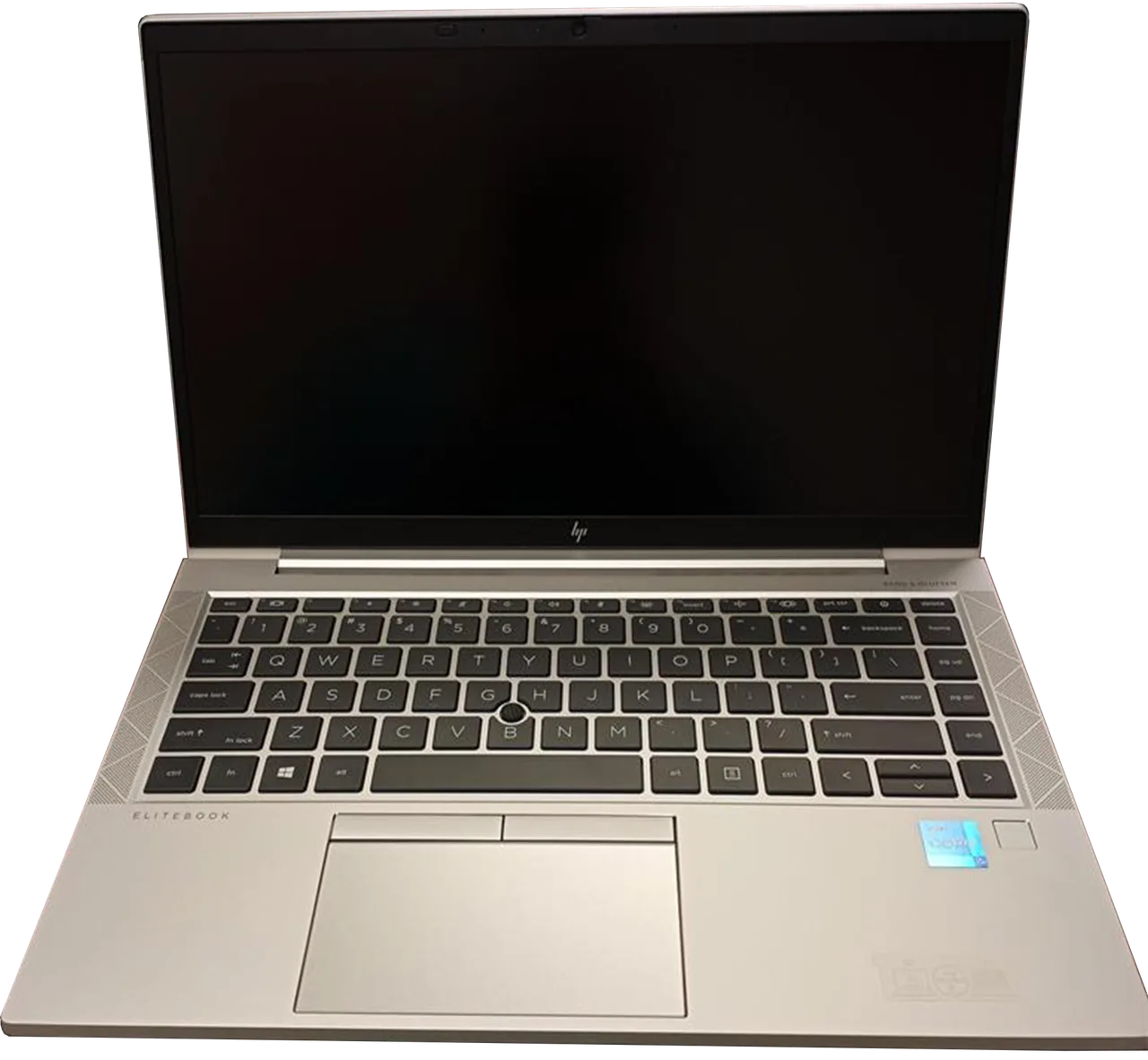
Our pick: HP EliteBook 840 G11
Core Ultra 7 165H, 32 GB of slotted RAM to 64 GB, a 14-inch 1200p panel, 1.37 kg, a genuine 15 real hours of battery, around 1649 dollars or 1799 euro. It is Ubuntu-certified, which matters more than it sounds: it means HP commits to keeping it working on a named Linux release, so your standard image is supported, not a community guess. SO-DIMM slots mean a memory upgrade mid-life instead of a fleet refresh. The webcam uses a standard UVC pipeline and skips the Intel IPU6 mess that silently breaks video calls on the XPS line. Honest downsides: the fingerprint reader is dead on Linux, and the panel is a plain 1200p, not an OLED. For a machine that has to work and be supported for years, that is a fair trade.
Runners-up
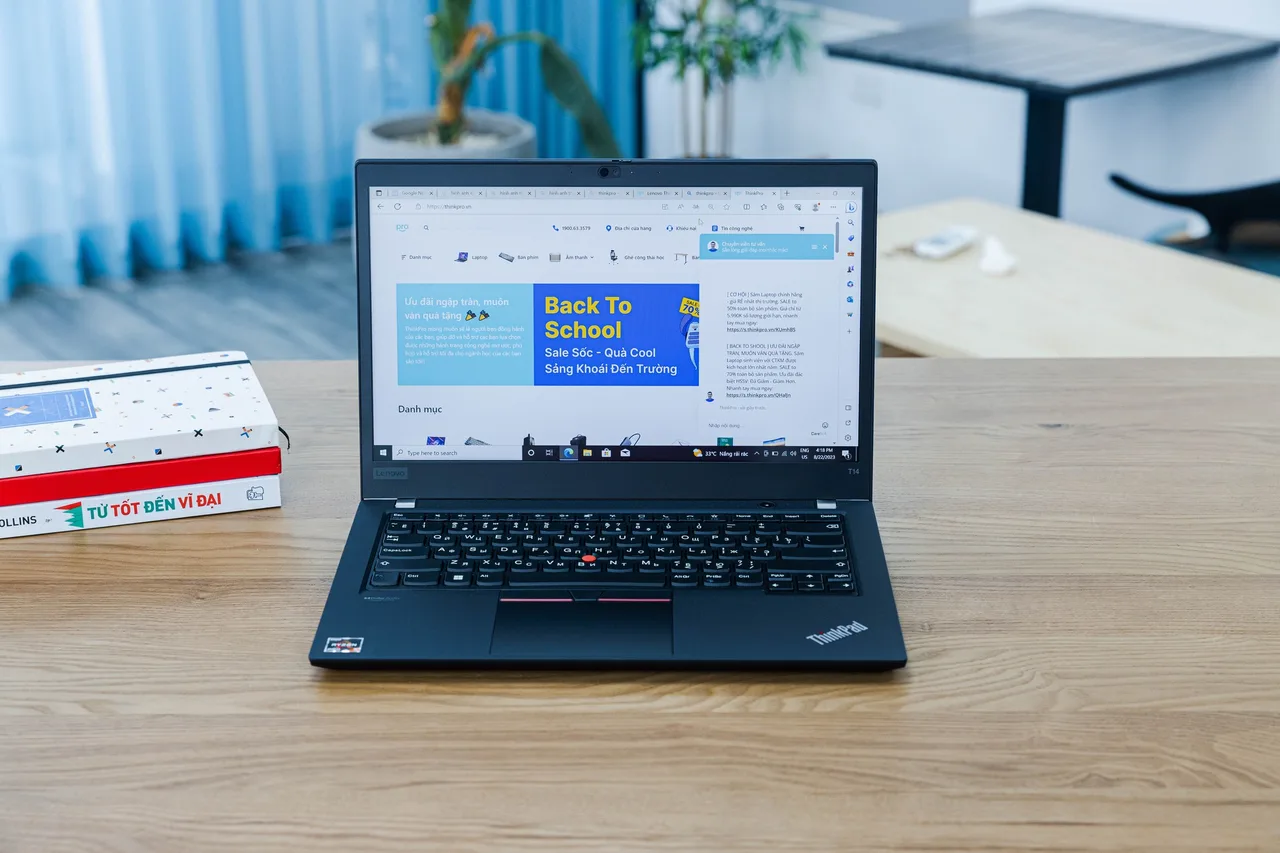
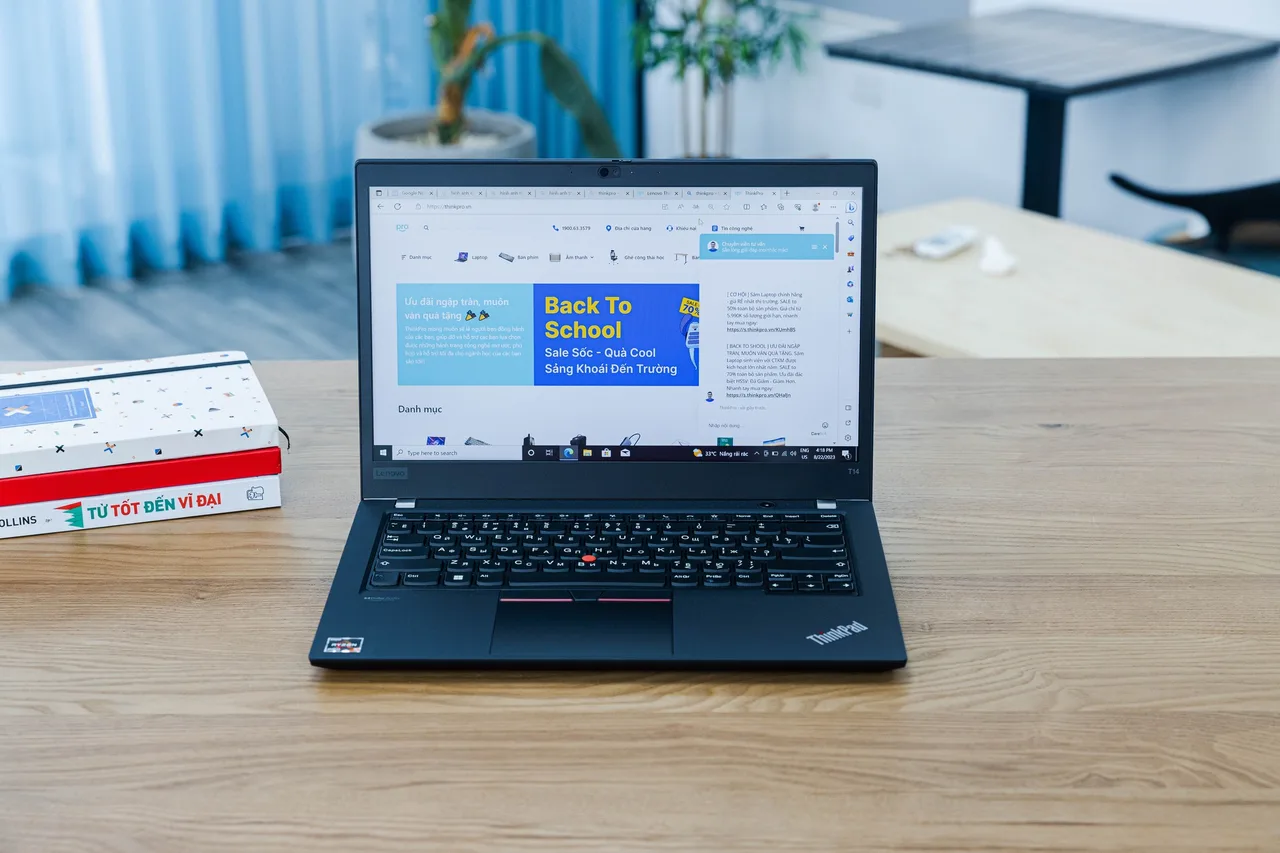
ThinkPad T14 Gen 5 (AMD). The pick if your users run Linux on the metal. The AMD chip uses a normal UVC webcam, so video calls work without the IPU6 fight, slotted RAM goes to 64 GB, and the keyboard is the best on this list by a wide margin. About 1499 dollars. Two small Linux caveats, both documented: a one-line iwd config for the Wi-Fi card and acpi.ec_no_wakeup=1 on some units for overnight drain. The least annoying Linux business machine here.
ThinkPad X1 Carbon Gen 13 Aura Edition. The executive and travel pick: 0.99 kg, a 2.8K 120 Hz panel, the same class-leading keyboard, around 2519 dollars. It is the one to hand to people who fly weekly. Two real catches on Linux: the IPU7 webcam needs kernel 6.13 or newer so it is broken on a stock Ubuntu LTS image, and a firmware bug can pin the CPU at 400 MHz until a BIOS fix. RAM is soldered, so there is no mid-life upgrade. A premium machine with premium caveats.
ThinkPad T14 Gen 5 (Intel). The Windows-fleet alternative to the AMD T14. SO-DIMM slots to 64 GB, ArchWiki rates it out-of-box on kernel 6.12, same excellent keyboard, plain 1200p panel, around 1549 dollars. The one open question is the webcam, which varies by SKU. Check the part number before you order a fleet of these, because some configurations carry the IPU6 camera and some do not.
What actually matters in a business laptop
- Serviceability. Slotted RAM and a removable SSD mean IT extends the machine’s life instead of refreshing the fleet. The EliteBook and both T14s have it. The X1 Carbon does not.
- Vendor support and warranty. Next-business-day on-site warranty and a Linux certification are what you are actually paying the brand premium for. The EliteBook’s Ubuntu certification is a contract, not marketing.
- Keyboard and docking. Users type on this all day and plug it into a dock twice a day. ThinkPad keyboards lead here. Confirm the dock standard (USB-C / Thunderbolt) matches your existing fleet docks before ordering.
- The Linux webcam trap. The 2026 recurring failure is the Intel IPU6 and IPU7 camera pipeline breaking video calls on a corporate Linux image. AMD models with a UVC webcam (T14 AMD, EliteBook) sidestep it. This silently costs every affected user a working camera. Filter on it.
- Battery for a real workday. A genuine workday means roughly 9 to 10 hours with Wi-Fi and a video call, not a vendor’s idle figure. The EliteBook’s 15 hours has the margin; verify any quoted number against real-use figures.
Screen resolution, thinness and GPU matter far less for a fleet than the four points above.
FAQ
What makes a laptop a “business” laptop, not a consumer one? Slotted RAM, an on-site warranty, OS certification, a docking standard, and a keyboard built for daily use. It is about serviceability and vendor commitment over a 3 to 4 year life, not specs.
Which business laptop is best for a Linux fleet? The HP EliteBook 840 G11 for the Ubuntu certification, or the ThinkPad T14 Gen 5 AMD for the cleanest install and a UVC webcam that survives the IPU6 trap.
Why does the webcam matter so much for business laptops? Because the Intel IPU6 and IPU7 camera pipeline silently breaks video calls on a stock Linux image, and a fleet of laptops with no working camera is an expensive surprise. AMD UVC-webcam models avoid it. Always check the camera before a bulk order.
Is soldered RAM a dealbreaker for a fleet? Usually yes for a long-life fleet, because you cannot extend a memory-bound machine mid-life. The X1 Carbon is soldered and worth it only where weight outranks serviceability, like frequent flyers.
AMD or Intel ThinkPad T14 for a fleet? AMD if your image is Linux, because the webcam just works. Intel if you are Windows and want the broadest SKU and dock options, but verify the camera part number per SKU before you commit to volume.
Buy the EliteBook for a supported mixed fleet, the AMD T14 for Linux users, the X1 Carbon for travelers who accept the trade. Still unsure, run the finder.
More picks in this guide
-
Lenovo
ThinkPad T14 Gen 5 (AMD)
-
Lenovo
ThinkPad T14 Gen 5 (Intel)