Head to head
System76 Lemur Pro vs Tuxedo InfinityBook Pro 14 Gen10
Buyers who have decided they want a laptop that ships with Linux and firmware support come down to a short list, and these two vendors dominate it. The decision is rarely about whether Linux works (it does on both) and almost always about weight, performance, and which side of the Atlantic you order from.
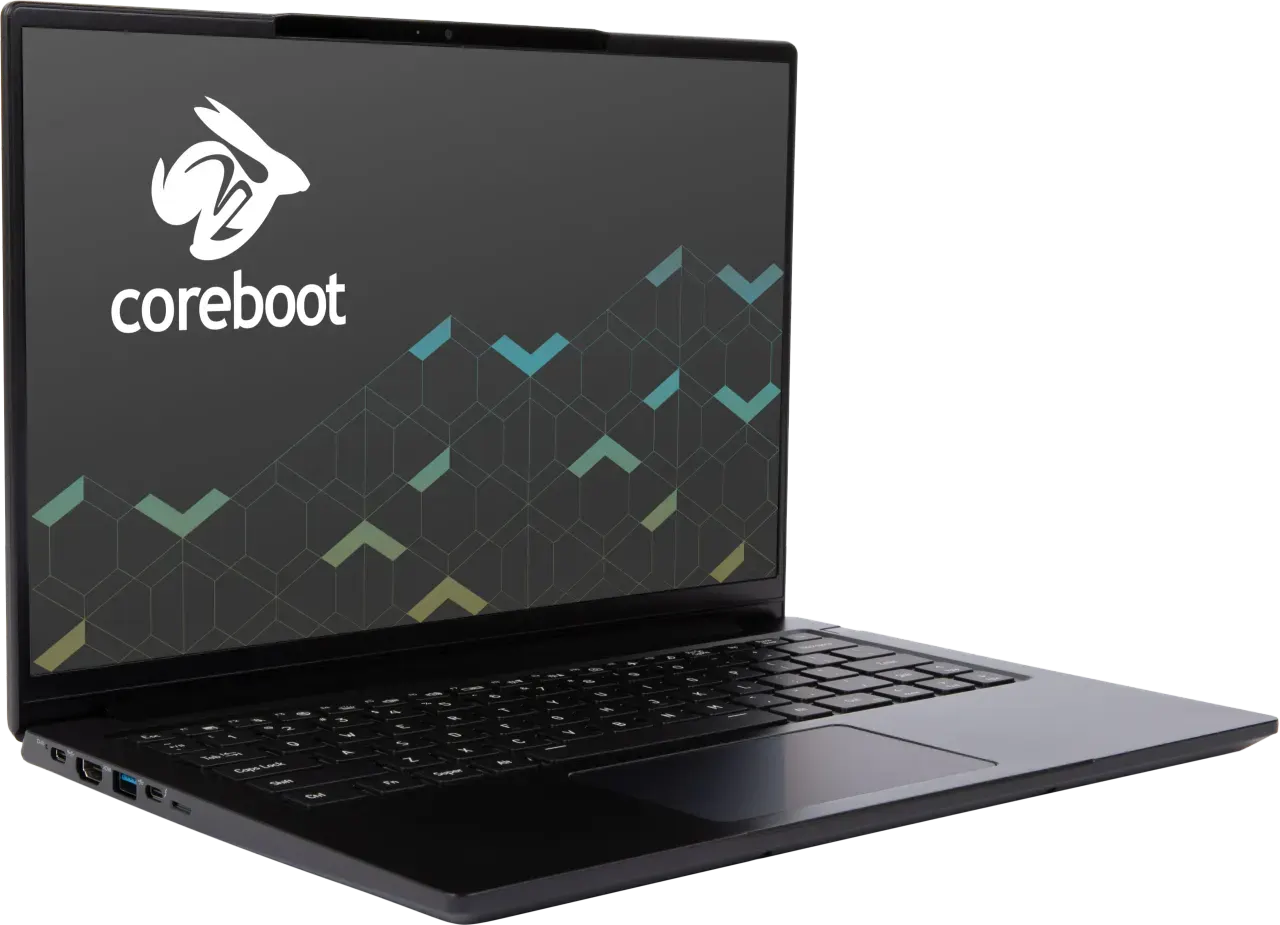
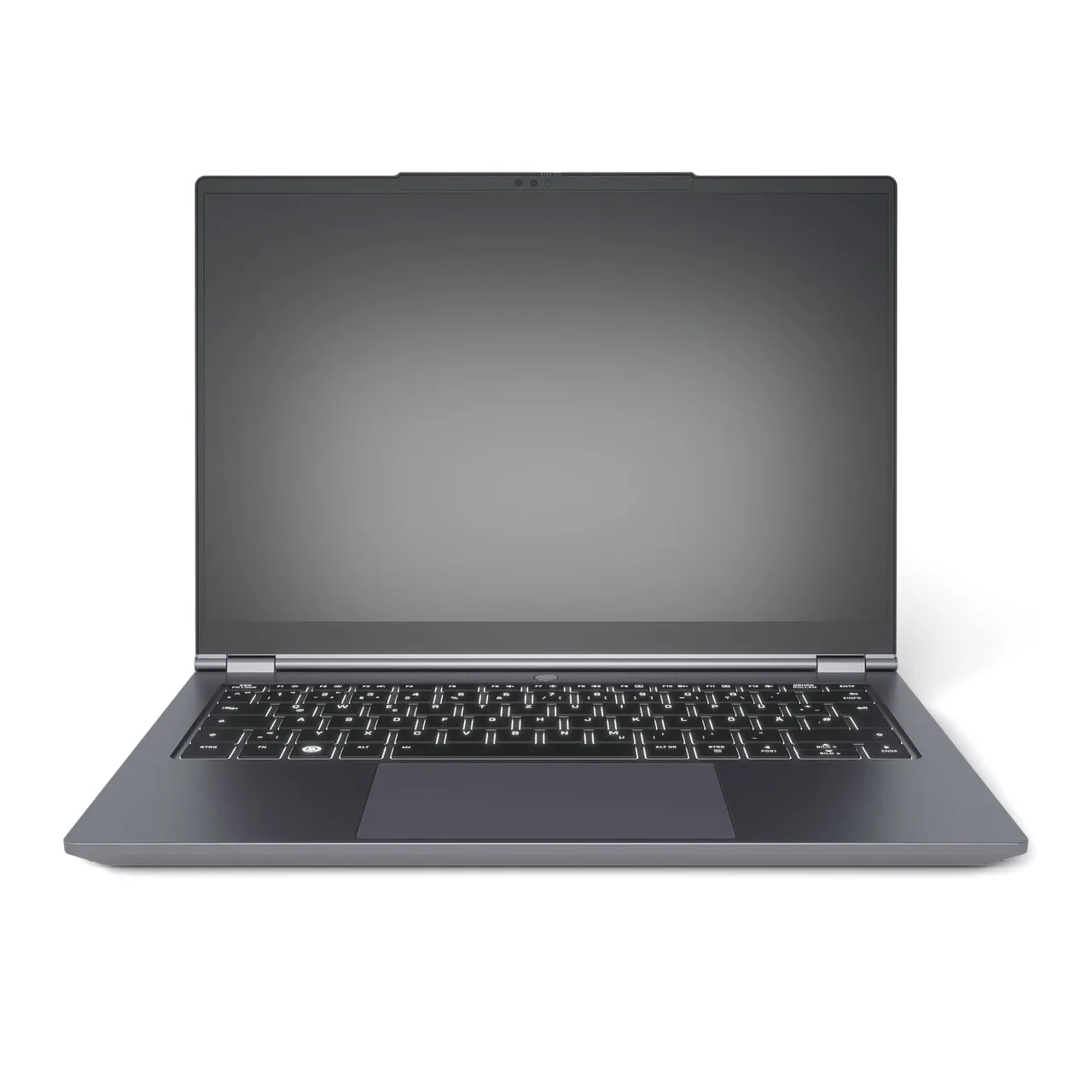
Some links are affiliate links; we may earn a commission at no extra cost to you. How we make money.
Specs at a glance
| Spec | System76 Lemur Pro (lemp14) | Tuxedo InfinityBook Pro 14 Gen10 (AMD) |
|---|---|---|
| Price | ~1499 USD | ~1427 EUR (best in row) |
| Released | 2024 | 2025 (best in row) |
| CPU | Intel Core Ultra 7 155U | AMD Ryzen AI 9 HX 370 |
| GPU | Intel Graphics (integrated) | AMD Radeon 890M (integrated) |
| RAM | 16 GB (slotted) −16 GB | 32 GB (slotted) (best in row) |
| Storage | 512 GB −512 GB | 1024 GB (best in row) |
| Screen | 14" 1920x1200 @ 60Hz | 14" 2880x1800 @ 120Hz |
| Weight | 1 kg (best in row) | 1.49 kg +0.49 kg |
| Battery (real) | ~9 h (best in row) | ~8 h −1 h |
| Linux | out of box | out of box |
The verdict
If you are in the EU, buy the Tuxedo InfinityBook Pro 14 Gen10. It is the faster machine by a wide margin, a Zen 5 Ryzen AI 9 HX 370 with a 3K 120 Hz panel and slotted RAM to 128 GB, and as an EU vendor there is no import VAT surprise at the door. The System76 Lemur Pro is the better answer to one specific question: the lightest possible Linux laptop with a flawless support story. At 1.0 kg with System76 Open Firmware and a perfect 10 Linux score, it is the machine for people who carry it all day and value silence and weight over throughput. But it is a 15 W Intel chip behind a 60 Hz FHD panel at 1499 USD, and US shipping adds import VAT for EU buyers. Choose the Lemur Pro for portability and firmware purity; choose the InfinityBook for performance, screen, and EU logistics.
Prices in the table are indicative RRP, not live. Some links are affiliate links; we may earn a commission at no extra cost to you. How we make money.
Performance: 15 watt Intel versus Zen 5
This is the widest gap between the two. The Lemur Pro runs an Intel Core Ultra 7 155U, a 15 W class part tuned for efficiency, not throughput. It is fine for editors, browsers, terminals, and light containers. It is not fine if you compile large projects or run heavy local data work. The InfinityBook Pro 14 Gen10 runs the Ryzen AI 9 HX 370, a 12-core Zen 5 part that is several tiers up: it will finish a build the Lemur Pro is still chewing on. The InfinityBook also has the better GPU for the integrated tier, a Radeon 890M versus the Lemur's Intel iGPU. If your workload is text and light dev, the Lemur's chip is enough and you get fanless-quiet most of the time. If your workload is builds, VMs, or AI tinkering, the InfinityBook is the only one of the two that keeps up, at the cost of fans that get loud at full load.
Weight, screen, and the daily-carry question
The Lemur Pro's headline number is 1.0 kg. That is exceptionally light for a 14-inch laptop with a 73 Wh battery and slotted RAM, and if you commute with it or travel constantly, that kilogram is the entire reason to buy it. The InfinityBook Pro 14 Gen10 is 1.49 kg, half a kilo heavier, which you feel in a backpack by the end of a day. The screens go the other way. The Lemur Pro has a 1920x1200 60 Hz panel at 300 nits, which is serviceable and no more. The InfinityBook has a 2880x1800 120 Hz panel at 500 nits, which is a clearly nicer place to spend eight hours and bright enough to use near a window. So the trade is physical: the Lemur Pro is the one you barely notice carrying with the dimmer screen; the InfinityBook is the heavier one with the panel you actually want to look at. Both have slotted RAM, the Lemur to 56 GB, the InfinityBook to 128 GB.
Linux support and firmware: both good, one perfect
Both machines are sold for Linux and both work, so this is about degree. The Lemur Pro scores a perfect 10. It ships Pop!_OS or Ubuntu with System76 Open Firmware, the all-Intel platform means clean s2idle on Fedora, Wi-Fi, audio, Bluetooth, and webcam all work out of box, and there is no fingerprint reader by design so there is nothing to fail. The webcam has a hardware kill switch, and apps need a restart after toggling it, which is the only quirk worth knowing. The InfinityBook Pro 14 Gen10 scores 9. It ships TUXEDO OS or Ubuntu LTS, the all-AMD design keeps support clean, and webcam, Wi-Fi, audio, Bluetooth, and suspend work on Ubuntu LTS out of box. On Fedora, Strix Point s2idle wants kernel 6.11 or newer for the deepest idle states, and Wi-Fi is 6, not 7. Neither has a fingerprint reader. The practical read: both are zero-drama Linux laptops, the Lemur Pro is the closest thing to no caveats at all, and the InfinityBook is one kernel-version caveat away from the same.
Price, region, and who should buy which
The Lemur Pro lists around 1499 USD (about 1650 EUR equivalent) and ships from the US, so an EU buyer adds import VAT and customs handling on top, and you deal with a US RMA path if something fails. The InfinityBook Pro 14 Gen10 lists around 1427 EUR (about 1300 USD) and is an EU vendor, so EU buyers pay the listed price with no border surprise and an EU support path. For an EU buyer the InfinityBook is both the faster and the logistically simpler choice, which makes it the default recommendation on that side of the Atlantic. The Lemur Pro earns its place when weight and firmware purity outrank performance: an all-day carry, a preference for System76 Open Firmware, or a US buyer who wants domestic support. Most people cross-shopping these two are EU-based and want performance, and for them it is the InfinityBook. The Lemur Pro is the specialist's pick, and a good one, for the people who know exactly why they want 1.0 kg.
FAQ
Which is faster, the Lemur Pro or the InfinityBook Pro 14?
The InfinityBook Pro 14 Gen10, clearly. Its Ryzen AI 9 HX 370 is a 12-core Zen 5 part; the Lemur Pro's Intel Core Ultra 7 155U is a 15 W efficiency chip. For builds, VMs, and data work the InfinityBook is several tiers ahead. For light dev and writing, the Lemur's chip is enough.
Do both ship with Linux preinstalled?
Yes. The Lemur Pro ships Pop!_OS or Ubuntu with System76 Open Firmware. The InfinityBook Pro 14 Gen10 ships TUXEDO OS or Ubuntu LTS. Both are sold and supported as Linux machines, not Windows laptops with Linux bolted on.
Is import VAT a factor?
For EU buyers, yes. The Lemur Pro ships from the US, so EU buyers add import VAT and customs handling and use a US RMA path. The InfinityBook is an EU vendor, so EU buyers pay the listed euro price with no border surprise. This often decides it for EU shoppers.
Does either have a fingerprint reader?
No, neither has a fingerprint reader, by design on both. If fingerprint login is a hard requirement, neither of these is your machine. If you do not care, it means there is one fewer Linux component that can fail, which both vendors treat as a feature.